
Northwest ICE Processing Center
Tacoma, Washington · 80 well-documented stories
What stands out here
Conditions that appear in a larger share of this facility's stories than of facility stories in general. Stories run from Feb 2025 to Oct 2026.
Nothing stands out against facilities in general; the most documented conditions here:
- Medical requests ignored15% vs 15%
Requests for care, a doctor, or an emergency response were refused, delayed, or dismissed.
- Injury needing medical treatment11% vs 7%
The person or a bystander was hurt badly enough to need medical care.
- Food or water withheld5% vs 10%
The person went without food or water for an extended period, or was given spoiled or inadequate food.
share of stories hereacross all facilities
Everything the stories describe here
- Medical requests ignored · 12 stories
Requests for care, a doctor, or an emergency response were refused, delayed, or dismissed.
- Injury needing medical treatment · 9 stories
The person or a bystander was hurt badly enough to need medical care.
- Food or water withheld · 4 stories
The person went without food or water for an extended period, or was given spoiled or inadequate food.
- Overcrowding · 4 stories
Held in a space far over capacity: a holding cell, a bus, an airport facility, a tent.
- Tackled, pinned, or thrown down · 3 stories
The person was tackled, slammed, pinned to the ground, or thrown against a surface.
- Hunger strike · 3 stories
The person or a group refused food in protest.
- Shackled or chained · 3 stories
Shackled, chained, zip-tied for long periods, restrained during transport or medical care, or held in a restraint chair.
- Abuse or threats by staff · 2 stories
Beatings, threats, humiliation, slurs, or theft by guards or staff.
- Firearm drawn or fired · 2 stories
Agents drew or fired a gun.
- Pregnant or postpartum in custody · 1 story
The detained person was pregnant, miscarried, gave birth, or was postpartum or breastfeeding while held.
- Family not told · 1 story
Relatives were not informed of the arrest, a transfer, a hospitalization, or a death, or learned of it from the press or other detainees.
- Medication withheld · 1 story
Prescribed medication (insulin, HIV drugs, psychiatric medication, seizure drugs, chemotherapy) was taken, withheld, or not provided.
- Sexual abuse or harassment · 1 story
Sexual assault, abuse, coercion, or harassment by staff or others while in custody.
- Extreme heat or cold · 1 story
Held in a freezing or dangerously hot space (hieleras, no heat, no air conditioning in summer).
- Force on family or bystanders · 1 story
Physical force was used on a relative, child, observer, or bystander, not only the arrest target.
- No bed, sleep, or basic hygiene · 1 story
Slept on the floor, no bed or blanket, lights on all night, no shower, no toilet access, or similar.
In their words
“I am a patriotic American solider. I thought that it would never happen, that this kind of erroneous thing, that four months, two days in this kind of detention, would never happen, should never happen to any disabled decorated American veteran,”
“I'm going to ask for my voluntary departure, I'm already tired, I can't deal with this, I can't deal with my illness, I can't handle my psychological situation if I'm not sleeping, I'm not eating,”
“It was horrific; it was awful, it is crowded -- super crowded, they release maybe nine, bring back seven, release one, they bring three”
Stories
 Oscar Q.F.: Bellingham coffee shop owner held a month by ICE after Sea-Tac arrestOscar Quintero Frias, co-owner of Bellingham coffee shop Cof&, was detained at Sea-Tac Airport returning from a work trip and held for a month. A GoFundMe raised nearly $60,000 before his release on October 13.SeaTac, WA · Oct 13, 2026 · My Bellingham Now, Cascadia Daily, Bellingham Herald
 Gerardo S.L.: Astoria business owner detained by ICE at port, held in TacomaGerardo Sanchez Lopez, a longtime Clatsop County resident and local business owner, was detained at the Port of Astoria and held in Tacoma before being released and returning home.Astoria, OR · Oct 2, 2026 · Daily Astorian, Seaside Signal, KMUN
 Father detained by ICE on way to work, leaving pregnant partnerA father was detained by ICE on his way to work, leaving his pregnant partner to care for their children, including a toddler. A fellow school parent organized a fundraiser to cover rent and other costs.Seattle, WA · Sep 27, 2026 · KUOW, Shoreline Area News
 Loreto J.: Filipino man, 76, with cancer detained by ICE, misses treatmentsLoreto Javar, a 76-year-old retired hotel worker and father of two with Stage 4 prostate cancer, was detained by ICE during his citizenship interview and has missed cancer treatments while held for months.Fife, WA · Sep 20, 2026 · Newsweek, The Guardian, Documented +4
 Juan Gerardo A.M.: Gas station worker known as unofficial mayor detained by ICE in WashingtonJuan Gerardo Alatorre Martinez, 46, known as his Washington town's 'unofficial mayor' after 25 years there, was detained at his gas station job and reports unsanitary conditions in custody.Conway, WA · Sep 17, 2026 · AZ Agil, Newsweek, KUOW
 Cece M.: Pregnant Kenyan asylum seeker detained by ICE at USCIS interviewCece Mokua, a pregnant 29-year-old asylum seeker with a husband and 1-year-old son, was detained by ICE during what she thought was a scheduled asylum interview. She was released after about 36 hours and now wears an ankle monitor.Tukwila, WA · Sep 16, 2026 · Seattle Times, Spokesman-Review, Tuko.co.ke
 Julian P.O.: Colombian activist held 650 days in ICE detention with medical neglectJulian David Palacios Obregon, a 27-year-old Colombian human rights activist, spent 650 days in ICE detention in Tacoma, suffering a severe infection and missing recommended colonoscopies before a court ordered his release in September 2026.Tacoma, WA · Sep 11, 2026 · CourtListener, El País
- Martin A.: Seaside restaurant owner of 23 years detained by ICE at SafewayMartin Anguiano, 63, who has run Guadalajara Taco Shop in Seaside for 23 years, was arrested while picking up supplies. A devoted father and grandfather, he remains held in Tacoma.Seaside, OR · Sep 10, 2026 · Daily Astorian, RV Times, KMUN
 Tareq Z.: Palestinian detainee says ICE broke his teeth after he refused deportation flightTareq Zakarneh, 44, who lived in Portland and Vancouver for over a decade, says ICE broke his teeth and restrained him for four hours after he refused a deportation flight on Sept. 9.Vancouver, WA · Sep 9, 2026 · OPB, Abolish Capital, Fight Back News
 Diego O.S.: Colombian man detained by ICE at Portland airport, transferred across four statesDiego Mauricio Ospina Sanchez, 41, was detained at a Portland airport gate while flying home with his boyfriend after vacation. He's since been moved between four facilities, reporting weight loss and distress.“I'm going to ask for my voluntary departure, I'm already tired, I can't deal with this, I can't deal with my illness, I can't handle my psychological situation if I'm not sleeping, I'm not eating,” — Diego Ospina SanchezPortland, OR · Sep 9, 2026 · Chron, The Maine Monitor, KPTV +1
- Marvin A.S.: Man held at Northwest ICE Processing Center told he will be deportedA man held at the Northwest ICE Processing Center was told he would be deported, then challenged it in court. A judge ruled he must get 48 hours' notice before any removal.Tacoma, WA · Sep 8, 2026 · CourtListener
 Five fathers handcuffed by ICE in front of children while campingFive fathers, husbands and uncles from one extended Mexican family were handcuffed before children during a Labor Day camping trip near Granite Falls, Washington. They remain held in Tacoma.WA · Sep 5, 2026 · Substack, Eyes On Ice, Seattle Chinese Radio +4
 Luis R.: Wapato father, sole provider for five U.S. citizen children, held by ICEJoseluis Ramirez, who worked 15 years at a Yakima Valley fruit company, was detained while driving to work, leaving his wife and her five children without a provider.Wapato, WA · Aug 31, 2026 · Yakima Herald, Spot on Washington, Wenatchee World +2
 Sergio Z.: Father of six detained by ICE while working in Washington stateSergio Zárate, a father of six and family provider living in the U.S. since 2002, was detained while working in Yakima, Washington, and is now held in Tacoma, far from his family.Yakima, WA · Aug 28, 2026 · Univision
 Moises V.: Asylum seeker wrongly dragged from car by ICE, held a monthMoises Velasquez, a 23-year-old Venezuelan asylum-seeker, was dragged from his car by ICE agents searching for someone else while his pregnant fiancée heard him scream over the phone. He was freed after a month in detention.Lakewood, WA · Aug 27, 2026 · Chron, KIRO 7, Seattle Times +1
- Jose Angel L.C.: Man held at Northwest ICE Processing Center in Tacoma, WashingtonA man held at the Northwest ICE Processing Center in Tacoma sought to block a transfer out of state, then withdrew the request after his location was confirmed and no transfer was planned.Tacoma, WA · Aug 27, 2026 · CourtListener
- Travelers pulled off plane, arrested by ICE at Sea-Tac gateSeveral travelers, including one who had overstayed a visa but had a pending immigration case, were pulled off a plane at Sea-Tac and taken to a Tacoma detention center on Aug. 19.SeaTac, WA · Aug 19, 2026 · Seattle Times
- Yoenis H.R.: Man sent to Louisiana by ICE in violation of court orderA man held in Tacoma was transferred to Louisiana in violation of a court order, then brought back after failed flight attempts, while his mother suffered a stress-related cardiac emergency.Tacoma, WA · Aug 14, 2026 · CourtListener
 Over 140 Tacoma ICE detainees on hunger strike over food, medical careMore than 140 people held at a Tacoma detention center are on hunger strike, protesting insufficient food, unsanitary conditions and lack of medical care at the GEO Group-run facility.Tacoma, WA · Aug 12, 2026 · Cascadia Journal, NWPB, Investigate West
- Amina K.: Travelers with pending immigration cases detained by ICE off flights at Sea-TacAmina Khalifa, 23, a Moroccan asylum seeker and former bank teller in Seattle, was arrested stepping off a flight at Sea-Tac on August 10 despite having no criminal record. She and another traveler were taken to a Tacoma detention center.SeaTac, WA · Aug 10, 2026 · Seattle Times, Koran Pangkep
- Avtar S.: Indian father of U.S. citizen children held by ICE a third timeA 54-year-old Indian man who has lived in the U.S. over three decades, with a wife and two citizen children, was detained for a third time despite a judge's order barring re-detention.Tacoma, WA · Aug 3, 2026 · CourtListener
- Ezequiel P.: 14-year-old left alone on I-5 after ICE arrests father near ChehalisEzequiel Pacas Sr., a 37-year-old contractor and father of four, was arrested at gunpoint during a traffic stop on I-5, leaving his 14-year-old son alone at the scene.Little Rock, AR · Jul 21, 2026 · KGW, Spot On Idaho, Amelica +1
 Garnet S.: Army veteran held nine months by ICE says guard sexually assaulted himGarnet Smith, a 44-year-old Army veteran from Jamaica, was freed after over nine months in detention, where he says a guard sexually assaulted him during a pat-down and he received inadequate medical care.Tacoma, WA · Jul 21, 2026 · Through the Static, LinkedIn
 Lewelyn D.: Green card holder held 3 months after Philippines tripLewelyn Dixon, a UW Medicine lab technician and green card holder for more than 50 years, was detained by CBP over a decades-old conviction she'd already paid restitution for, then released and became a U.S. citizen.“It was horrific; it was awful, it is crowded -- super crowded, they release maybe nine, bring back seven, release one, they bring three” — Lewelyn DixonTacoma, WA · Jul 20, 2026 · Seattle Times, Fox 13 Seattle, NBC News +9
- Charlie Y.: Alaska state attorney arrested by ICE, held at Tacoma detention centerShucheng "Charlie" Yang, 32, a Chinese national and Alaska state attorney licensed since 2025, was arrested by ICE in Anchorage on July 10. He remains held in Tacoma awaiting an October hearing.Anchorage, AK · Jul 16, 2026 · Alaska Public Media, Alaska Beacon, Alaska's News Source +4
 Two Bend residents detained by ICE, transported to TacomaTwo Bend residents were arrested near a local chapel by masked agents in bulletproof vests and taken to Tacoma's detention center. Local police had no advance knowledge of the operation.Bend, OR · Jul 8, 2026 · Bend Bulletin, OPB, The Oregonian +1
- Rodolfo R.M.: Venezuelan man seeking protected status re-detained by ICE without noticeA Venezuelan man living in Portland who was re-detained without notice in July 2026 and denied a bond hearing for a month won a court order temporarily blocking his transfer or removal.Portland, OR · Jul 2, 2026 · CourtListener
 Wapato father of five U.S. citizen children detained by ICEA Wapato father who worked at the same Yakima Valley fruit company for 15 years was detained after his wife confronted officers at a courthouse. He is held in Tacoma, leaving his wife and five children without their sole provider.Pomona, CA · Jun 26, 2026 · VPM, Yakima Herald, Block Club Chicago +1
 24-year-old Mexican man detained in Seattle ICE operation near Aurora AvenueFour Mexican men were arrested in a Seattle enforcement operation near Aurora Avenue, ranging in age from 24 to 61; one faces voluntary departure, the others are held pending return to Mexico or a hearing.Seattle, WA · Jun 20, 2026 · The Post Millennial, Internet Archive
 Filogonio R.V.: 29-year-old Mexican man arrested by ICE in Kent grocery store parking lotFilogonio Rojas-Vasquez, 29, a Mexican national, was arrested in a Kent grocery store parking lot, prompting about 25 protesters to gather nearby the next day.Kent, WA · Jun 14, 2026 · Auburn Reporter, Kent Reporter
- Fredy C.C.: Colombian student arrested by masked ICE agents in Edmonds College parking lotFredy Cruz-Calderon, 48, was pulled from his car by masked ICE agents in an Edmonds College parking lot while waiting for a class activity. He is now held in Tacoma awaiting deportation to Colombia.Edmonds, WA · Jun 14, 2026 · Herald Net, The Triton Review, Fox 13 Seattle
 Victor C.: 56-year-old handyman arrested by ICE without a warrant, held 24 daysVictor Cruz, a 56-year-old Portland handyman, was arrested without a warrant and held 24 days before a judge granted him bond; he won his immigration case in February 2026.Tacoma, WA · May 26, 2026 · KSAT, OPB, Seattle Post-Intelligencer
- Jessica L.: Transgender woman harassed in male unit at ICE center in Tacoma, WashingtonA 22-year-old transgender woman was detained during a check-in and housed in a male unit in Tacoma, where she faced harassment. A court ordered her moved or released within 24 hours.Tacoma, WA · May 22, 2026 · CourtListener
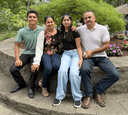 Maria L.M.: Oregon mother caring for stroke survivor husband held four months by ICEMaria Trinidad Loya Medina, an Albany, Oregon resident of 20 years and caregiver to her stroke-surviving husband, was detained while shopping and held four months. A judge ordered her released in May, citing harm to her family.Albany, OR · May 8, 2026 · KVAL, KLCC, KGW +14
 José G.P.: Longtime Güero cook detained by ICE while driving to work in PortlandJosé 'Poni' Góngora Poot, a cook at Portland restaurant Güero for a decade, was pulled from his car and detained by ICE on May 8. He is now held in Tacoma, and supporters have raised over $30,000 for him.Tacoma, WA · May 8, 2026 · Portland Tribune, AOL, KERA News +2
 Thovatsay P.: Portland State food cart owner detained by ICE, business closes permanentlyThovatsay Phimmoungkhoun, who ran a Lao street food cart near Portland State known for its sticky rice, was detained by ICE and his business has permanently closed.Portland, OR · Apr 26, 2026 · KPTV, Portland Tribune, KGW
 Washington inspectors still barred from Tacoma ICE center after court winWashington state won a court ruling allowing health inspections at the Tacoma ICE facility run by GEO Group, but inspectors have been turned away nine times since 2023. Over 3,500 detainee complaints cite poor food, medical care and religious accommodations.Tacoma, WA · Apr 9, 2026 · KING 5, The News Tribune
 Kevin N.: Kenyan father of four detained by ICE returning from his father's funeralKevin Ntabo, a Kenyan-born father of four in Edmond, Washington, was detained at Sea-Tac airport after attending his father's funeral in Kenya, and awaits a hearing on his deportation.Seattle, WA · Mar 24, 2026 · Tuko.co.ke, Newsweek, Diaspora Messenger +2
 Russian asylum seeker fleeing military conscription detained in Tacoma, WashingtonA Russian asylum seeker who fled persecution for refusing to fight in the invasion of Ukraine was detained in Tacoma over alleged supervision violations, then released by court order.Tacoma, WA · Mar 18, 2026 · Investigate West, Yelm Online, Habeas Dockets
- Venezuelan father of U.S. citizen son detained again by ICE over tattoosA Venezuelan father of a U.S. citizen son was detained again at Tacoma's Northwest Detention Center after ICE cited his tattoos, despite having been previously released by court order.Tacoma, WA · Mar 18, 2026 · Investigate West, Yelm Online, EXA
- Wilfredo C.: Venezuelan asylum seeker stabbed repeatedly during 11 months in ICE detentionWilfredo Castillo, a Venezuelan who fled persecution, was held 11 months at Tacoma's Northwest Detention Center over disputed check-in app errors and was stabbed there before a judge ordered his release.Tukwila, WA · Mar 18, 2026 · Investigate West, Yelm Online, Habeas Dockets +2
- Afghan asylum seeker hospitalized for heart arrhythmia held 41 days by ICEAn Afghan asylum seeker was detained at work after missing two check-ins, one due to a hospitalization for a heart condition ICE had said would not count against him. A judge freed him after 41 days.Portland, OR · Mar 18, 2026 · Investigate West, Yelm Online
- Former Afghan public servant working as cashier detained in Tacoma, WashingtonA former Afghan public servant who fled violence and worked as a cashier and Uber driver under work authorization was detained in Tacoma, then released by federal court order.Tacoma, WA · Mar 18, 2026 · Investigate West, Yelm Online, PACER Monitor +1
 Zahid C.: Disabled Army veteran arrested at citizenship interview, held 124 days by ICEZahid Chaudhry, a disabled Army veteran and permanent resident from Pakistan, was detained during a citizenship interview and held 124 days before a judge ruled the detention wrongful and ordered his release.Tacoma, WA · Mar 15, 2026 · Fox 13 Seattle, KTVB, Newsweek
 Will C.: Asylum seeker held nearly 11 months in unlawful ICE detentionWill Castillo, who has no criminal history, was detained nearly 11 months after a routine asylum appointment before a judge ruled his detention unlawful. He still faces lingering psychological effects after release.Washington, DC · Mar 11, 2026 · KING 5, CourtListener
- Mirna Y.A.B.: Salvadoran woman detained at ICE check-in, placed in expedited removalA Salvadoran woman was detained at a Tacoma facility after appearing for a routine ICE check-in and placed in fast-track deportation proceedings. A judge has temporarily blocked her removal while her case proceeds.Tacoma, WA · Mar 5, 2026 · CourtListener, Justia
- Phanomphone T.: Laotian refugee with U.S. citizen spouse detained at Portland ICE check-inA Laotian refugee who came to the U.S. in 1988 as a child was detained reporting to ICE's Portland office, despite having a citizen spouse and five children. A judge denied his bid to block deportation.Portland, OR · Mar 3, 2026 · CourtListener
 Laotian refugee in U.S. since 1981 held for months by ICEA Laotian refugee from Raymond, Washington, part of Pacific County's refugee community since 1981, was held for months under a decades-old deportation order. A judge dropped the case and he was released.Tacoma, WA · Mar 2026 · KUOW, KUOW, OPB +1
 Sonia E.A.: Alaska mother and two children deported by ICE within 36 hoursSonia Espinoza Arriaga and her three children were detained in Soldotna, Alaska, after a missed court hearing. She and her two youngest were deported to Tijuana within 36 hours; her 18-year-old son was sent to Tacoma.Soldotna, AK · Feb 24, 2026 · Anchorage Daily News, Your Alaska Link, KTOO +3
 Greggy S.: Green card holder using wheelchair after amputation deported to Philippines by ICEGreggy Valerio Sorio, 37, a green card holder using a wheelchair after a toe amputation, was deported to the Philippines despite severe illness and recent hospitalization. Airline staff had initially removed him from a flight over his condition.Tacoma, WA · Feb 20, 2026 · Philippine Daily Mirror, Rappler, South China Morning Post +1
 Greggy S.: Filipino man loses part of foot in ICE custody, denied adequate careGreggy Sorio, 37, from the Philippines, was released from Tacoma's Northwest ICE Processing Center after a judge found his detention unconstitutional. He lost part of a foot to an untreated bone infection while held; he still faces deportation.Tacoma, WA · Feb 15, 2026 · Seattle Times, SRN News, PBS
 Jhony G.M.: Asylum applicant detained by ICE after son's school drop-off in AnchorageJhony Gonzalez Merino, a Mexican asylum applicant from the Triqui Indigenous group, was arrested after dropping off his son at school in Anchorage. He remains held at a federal facility in Tacoma, Washington.Anchorage, AK · Feb 2026 · Anchorage Daily News, Alaska Public Media
 Brayan M.B.: Asylum seeker detained by ICE outside Vancouver courthouse during trial breakBrayan Morales Bermudez, 26, who fled death threats in Guatemala and sought asylum in 2024, was detained outside a Vancouver courthouse during a break in his trial. His girlfriend says the arrest may have violated state law protecting courthouses.Vancouver, WA · Jan 17, 2026 · KPTV, The Columbian, OPB
 Misael G.L.: Eugene father of three deported to Mexico after ICE traffic stopMisael Garcia Lopez, 48, spent 18 years in Eugene with his wife and three kids before an ICE traffic stop near his son's school led to his arrest. He was deported to Mexico in January, missing his grandson's birth.Eugene, OR · Jan 15, 2026 · Lookout Eugene-Springfield, EXA, KLCC +1
- Zahid C.: U.S. Army veteran loses vision to untreated eye disease in ICE detentionU.S. Army veteran Zahid Chaudhry, a disabled green card holder in the U.S. for 25 years, was freed after a judge called his three-month detention "flat out wrong." He had lost vision to untreated thyroid eye disease.“I am a patriotic American solider. I thought that it would never happen, that this kind of erroneous thing, that four months, two days in this kind of detention, would never happen, should never happen to any disabled decorated American veteran,” — Zahid ChaudhryTacoma, WA · Dec 22, 2025 · Fox 13 Seattle, KTVB, Seattle Times +2
 Miguel G.P. and Dulce Maria T.S.: Parents detained and deported to Mexico, leaving U.S. citizen daughterMiguel Garcia Pazaran and his wife Dulce Maria Trejo Segura were stopped while driving to work in Hillsboro, Oregon, and deported to Mexico within eight days, leaving their 2-year-old U.S. citizen daughter behind.Hillsboro, OR · Dec 21, 2025 · People, The Oregonian
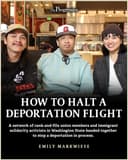 Greggy S.: Filipino green card holder loses toe in ICE detention, deportation stoppedGreggy Sorio, 37, a lawful permanent resident from the Philippines, developed ulcerative colitis, a kidney infection and lost a toe during 11 months in Tacoma detention. Union and activist alerts led Philippine Airlines to cancel his December 7 deportation flight.Washington State, WA · Dec 7, 2025 · The Progressive, In These Times, Labor Notes +2
 Jose P.C.: Man's legs allegedly run over by ICE vehicle in Vancouver, WashingtonJose Paniagua Calderón was detained outside a Mexican restaurant in Vancouver, Washington, where video shows an ICE vehicle driving over his legs as he screamed in pain.Vancouver, WA · Dec 5, 2025 · KGW, KATU, OPB +1
- Harrinson O.B.: Venezuelan tattoo artist seeking asylum detained by ICE over his tattoosHarrinson Jose Osuna Benitez, a Venezuelan tattoo artist and asylum seeker with a newborn son in Portland, was detained over his tattoos. A federal judge ordered his release on December 30 after weeks in custody.Portland, OR · Nov 17, 2025 · Investigate West, Yelm Online, EXA +1
 Wilmer T.M.: Vancouver father of three attacked by ICE dog, denied medical careWilmer Toledo-Martinez, 28, a Vancouver father of three married to a U.S. citizen, was attacked by an ICE dog after an agent lured him outside posing as a construction worker. He was hospitalized and later denied care in detention.Vancouver, WA · Nov 14, 2025 · Seattle Times, Lynnwood Times, KATU +3
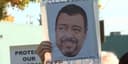 Victor C.: Hillsboro grandfather held three weeks by ICE in mistaken identity caseVictor Cruz, a 55-year-old Hillsboro business owner and grandfather, was held three weeks at a Tacoma facility after agents allegedly mistook him for someone else. A federal judge released him on bond November 7.Hillsboro, OR · Nov 7, 2025 · OPB, Hillsboro News Times, KPTV +4
 Kenia M.: Mother of four U.S. citizens held four months by ICEKenia Merlos, a Honduran mother of four U.S. citizen children, was detained at the U.S.-Canada border in June and held nearly four months in Tacoma. A judge ended her deportation case, and she was freed October 28.Tacoma, WA · Nov 3, 2025 · OPB, KGW, Los Angeles Times
Mexican woman seeking asylum pressured by ICE to give up court hearingA 45-year-old Mexican farmworker was arrested on her way to work and pressured to sign away her right to an asylum hearing. She was shackled and transferred to Tacoma, cut off from her attorney for two days.Woodburn, OR · Oct 30, 2025 · The Marshall Project, Borderless Magazine
 Brazilian artist with pregnant wife held 63 days by ICEA Brazilian visual artist and father was detained near San Juan Island while picking up his daughter, held 63 days, and released days before his son's birth after charges were dismissed.San Juan Island, WA · Oct 10, 2025 · NBC Bay Area, NBC News, Seattle Times +4
 Karen N.: 65-year-old British tourist with valid visa held 42 days by ICEKaren Newton, a 65-year-old British tourist with a valid visa, was held 42 days in Tacoma with her husband after trying to cross into Canada. She said she had no criminal record.Tacoma, WA · Sep 2025 · The Independent, Business Standard, Evening Standard +2
 Muhammad C.: Disabled Army veteran detained by ICE at citizenship interview in WashingtonMuhammad Zahid Chaudhry, a disabled Army veteran and disability-rights advocate, was detained after arriving for a citizenship interview. A judge ruled his detention unlawful and ordered his release in December.Tukwila, WA · Aug 21, 2025 · Spokesman-Review, Veterans for Peace, Seattle Times +1
 Miguel A.L.: Portland tavern worker detained and facing deportation to GuatemalaMiguel Alvarado-Lopez, a tavern worker in Portland, was detained at a gas station in January and moved between facilities in Washington and Arizona, now awaiting deportation to Guatemala, where his wife and son live.Portland, OR · Aug 20, 2025 · CourtListener
 Man with developmental disabilities detained by ICE in WashingtonA 21-year-old man who is nearly deaf and has developmental disabilities was arrested during an Oakland raid and is now held in Tacoma. Advocates say he cannot understand his proceedings and is isolated from anyone who can communicate with him.Washington, WA · Aug 12, 2025 · The Columbian, Seattle Times, Chron
 Fernando A.R.: Asylum-seeking high school theater manager thrown down by ICE, witnesses sayFernando Alves Rocha, a theater manager and mentor at a Kirkland high school, was pulled from his car and thrown to the ground during his arrest. A judge granted him bond after colleagues raised over $36,000.Kirkland, WA · Jul 30, 2025 · KUOW, KIRO 7, Seattle Times +2
 Mahdi K.: Chiropractor detained by ICE while dropping child off at Oregon preschoolMahdi Khanbabazadeh, a 38-year-old Iranian chiropractor, was arrested while dropping his child at a Beaverton preschool, agents breaking his car window to remove him. He is held in Tacoma; his family says he had already applied for a green card.Beaverton, OR · Jul 21, 2025 · OPB, IJPR, AOL +8
 Alfredo J.Z.: Farmworker union leader gives up case, citing detention conditionsAlfredo Juarez Zeferino, a well-known farmworker union organizer in Washington, spent four months in ICE detention before agreeing to voluntary departure to Mexico by Aug. 13.Skagit County, WA · Jul 14, 2025 · OPB, Cascadia Daily
 Jackie M.: Portland mother detained by CBP, separated from four U.S. citizen childrenJackie Merlos, a Honduran mother and longtime Portland business owner, was detained by CBP during a family picnic, separating her from her four U.S. citizen children. She remains held in Tacoma.Portland, OR · Jul 10, 2025 · Seattle Times, Rolling Stone, Bellingham Herald +3
 Rakesh R.: Indian man mistakenly flown to Alaska by ICE, held 16 more daysRakesh Rakesh, an Indian national cleared to leave voluntarily, was mistakenly flown to Sitka, Alaska instead of home. He was re-detained for 16 days and went on a hunger strike before finally departing for India.Tacoma, WA · Jun 17, 2025 · MyNorthwest, KUOW, Juneau Independent +4
 Protesters face force from HSI agents at Spokane ICE facilityProtesters at Spokane's ICE facility sought to stop two asylum seekers from being transported to Tacoma; federal agents used force while local police used dialogue, and three protesters now face trial over the clash.Spokane, WA · Jun 11, 2025 · Spokesman-Review, CT Mirror, NBC News
 Maximo L.: Green card holder detained by CBP at Seattle airport after family vacationMaximo Londonio, 42, a green card holder and father of three from Olympia, was detained at Sea-Tac Airport returning from his 20th-anniversary family trip. He remains held in Tacoma.Seattle, WA · May 24, 2025 · NBC News, Seattle Times, GMA Network +4
 Rakesh R.: Indian man mistakenly flown to Alaska by ICE, held 16 more daysRakesh Rakesh volunteered to self-deport to India but was mistakenly flown to Sitka, Alaska, then re-detained for 16 days in Seattle, prompting him to go on a hunger strike.Seattle, WA · May 2025 · Yakima Herald, KUOW, Juneau Independent +1
 Cliona W.: Green card holder for 40 years detained by ICE returning from IrelandCliona Ward, 54, who has lived legally in the U.S. for about 40 years, was detained after visiting her ill father in Ireland over old drug convictions she says were expunged. She is held in Tacoma awaiting a hearing.San Francisco, CA · Apr 2025 · Waterford News, Irish Times, Carlow Nationalist
 César H.F.: Venezuelan father held by ICE after father-in-law allegedly called to block testimonyCésar Herrera Ferrer, a 24-year-old Venezuelan man and father, was detained in Tacoma after his father-in-law called ICE, allegedly to stop him testifying in a firearm case against him.Tukwila, WA · Mar 14, 2025 · Univision, Qué Pasa, 2001 Online +1
 Boun M.: Lao refugee detained after 30 years of routine ICE check-insBoun Morisath, a Bremerton father and longtime lawful permanent resident, was detained in March 2025 during a routine check-in he had completed without issue for 30 years. He remains held at a Tacoma processing center.Tukwila, WA · Mar 11, 2025 · KGW, Kitsap Sun, Dioknoed +1
 Rebecca B.: British backpacker shackled, held 19 days by ICERebecca Burke, a 28-year-old London graphic artist backpacking the US on homestays, was shackled and detained 19 days in a Tacoma facility after a visa mix-up at the Canadian border.WA · Feb 26, 2025 · The Guardian, BBC
Where people stood at the latest report
Each square is one percent of these stories. Read it with care: people who are still detained or already deported have far less access to reporters and lawyers than people who were released, so this mix reflects who gets covered more than how cases end.
- Deported 8%
- Self-deported 1%
- Still detained 53%
- Released 30%
- Unknown 9%