
Camp East Montana
El Paso, Texas · 46 well-documented stories
What stands out here
Conditions that appear in a larger share of this facility's stories than of facility stories in general. Stories run from Feb 2025 to Oct 2026.
- Abuse or threats by staff46% vs 6%
Beatings, threats, humiliation, slurs, or theft by guards or staff.
- Food or water withheld39% vs 10%
The person went without food or water for an extended period, or was given spoiled or inadequate food.
- Medical requests ignored37% vs 15%
Requests for care, a doctor, or an emergency response were refused, delayed, or dismissed.
- Solitary confinement22% vs 4%
Placed in isolation or segregation.
- Died in custody or soon after15% vs 4%
The person died while detained, during transport, or within days of release or deportation.
share of stories hereacross all facilities
Everything the stories describe here
- Abuse or threats by staff · 21 stories
Beatings, threats, humiliation, slurs, or theft by guards or staff.
- Food or water withheld · 18 stories
The person went without food or water for an extended period, or was given spoiled or inadequate food.
- Medical requests ignored · 17 stories
Requests for care, a doctor, or an emergency response were refused, delayed, or dismissed.
- Solitary confinement · 10 stories
Placed in isolation or segregation.
- Died in custody or soon after · 7 stories
The person died while detained, during transport, or within days of release or deportation.
- Injury needing medical treatment · 7 stories
The person or a bystander was hurt badly enough to need medical care.
- Medication withheld · 6 stories
Prescribed medication (insulin, HIV drugs, psychiatric medication, seizure drugs, chemotherapy) was taken, withheld, or not provided.
- Shackled or chained · 6 stories
Shackled, chained, zip-tied for long periods, restrained during transport or medical care, or held in a restraint chair.
- Overcrowding · 6 stories
Held in a space far over capacity: a holding cell, a bus, an airport facility, a tent.
- Tackled, pinned, or thrown down · 4 stories
The person was tackled, slammed, pinned to the ground, or thrown against a surface.
- Punished for complaining or organizing · 3 stories
Isolation, transfer, lost privileges, or threats after the person complained, filed a grievance, spoke to media, organized, or joined a hunger strike.
- Family not told · 3 stories
Relatives were not informed of the arrest, a transfer, a hospitalization, or a death, or learned of it from the press or other detainees.
- No bed, sleep, or basic hygiene · 2 stories
Slept on the floor, no bed or blanket, lights on all night, no shower, no toilet access, or similar.
- Force on family or bystanders · 2 stories
Physical force was used on a relative, child, observer, or bystander, not only the arrest target.
- Hunger strike · 1 story
The person or a group refused food in protest.
- Sexual abuse or harassment · 1 story
Sexual assault, abuse, coercion, or harassment by staff or others while in custody.
- Suicide, attempt, or self-harm · 1 story
The person died by suicide, attempted it, or harmed themselves.
In their words
“I sometimes look at my bed sheets, and I wonder if it would be easier to hang myself instead of trying to survive this torture. I don’t know how to describe what I’m feeling. I feel forgotten. People have died here and no one cares. I’ve gone a month without seeing the sun.... I am forced to live in filth.... I have been taken from my family, from my home, and I know that no matter how long they keep me here, they will end up deporting me. I'm so afraid I will get killed once I am sent back. That is why I left. I can’t sleep most nights, that’s when I have the hardest time.”
“What good does it do to imagine a ‘happy place’? How absurd for a supposed medical professional to suggest that I could close my eyes, take deep breaths, and escape my reality when I am forced to survive here. When my reality is probably going end with my death in my home country. Sleeping pills won’t fix that.”
“I have never felt racism the way I have felt it inside this camp. When I first got here the guards told me, “When you get to El Paso, Texas, there’s no going back. You’re only getting out deported or dead.””
Stories
- Abel: Cuban man says guards beat him when he refused transfer to MexicoA Cuban detainee known as "Abel" (a pseudonym) said guards beat him at Camp East Montana after he refused transfer to Mexico, and that only four of about 14 detainees sent to the border returned.Fort Bliss, TX · Oct 17, 2026 · Newsweek, CourtListener
- Samuel: 19-year-old Venezuelan man alleges officers broke his tooth and crushed his testiclesA 19-year-old Venezuelan man known as 'Samuel' (a pseudonym) said officers at Camp East Montana body-slammed and beat him after he turned off a light, breaking a tooth and crushing his testicles. He lost consciousness and was hospitalized.Fort Bliss, TX · Oct 17, 2026 · Newsweek, ACLU, CourtListener
- Isaac: 43-year-old Cuban man says guards slammed his head against a wallA 43-year-old Cuban detainee known as "Isaac" (a pseudonym) said guards slammed his head against a wall about 10 times after he refused removal to Mexico, causing pain that lasted about a month.Fort Bliss, TX · Oct 17, 2026 · Newsweek, CourtListener
- Gerald A.: Shackled man alleges guards fractured his wrist and spineGerald Akari Angye said guards at Camp East Montana fractured his wrist and spine while he was shackled and not resisting, and that he would 'never be the same.' He is seeking an injunction over facility conditions.“Urgent protection is desperately needed at Camp East Montana.” — Gerald Akari AngyeFort Bliss, TX · Oct 17, 2026 · Newsweek, CourtListener
 Geraldo L.C.: Cuban father with asthma dies after guard restraint at ICE facilityGeraldo Lunas Campos, a 55-year-old Cuban father of four with asthma, died after guards restrained him at a Fort Bliss ICE facility. His death was ruled a homicide; no one has been charged.El Paso, TX · Sep 30, 2026 · Associated Press, ABC News, Washington Post +16
 Antonio F.A.: Cuban grandfather alleges guard left him partially deaf during year-long ICE detentionA 63-year-old Cuban man who came to the U.S. in 1994 has been detained over a year, missing his first granddaughter's birth, after Cuba and Mexico both refused to take him.West Palm Beach, FL · Sep 27, 2026 · El Paso Matters, Cuba Headlines, Border Blogs
- Javier M.M.: Man held by ICE after living in El Paso for a decadeA man who entered the U.S. in 2016 and lived freely in El Paso for nearly ten years was detained by immigration authorities in September 2026. A judge has barred his removal while reviewing his due process claim.El Paso, TX · Sep 24, 2026 · CourtListener
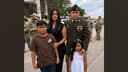 Cristy V.T.: Army sergeant's wife deported to Honduras by ICE, leaving U.S. citizen daughterCristy Maryori Villafranca Trejo, 29, wife of an active-duty Army sergeant and primary caregiver to their 6-year-old daughter, was deported to Honduras despite a pending military parole case and congressional inquiry.“How can I even focus on my military career because I have to worry about how my wife is doing?” — Army Sgt. Hedar Leonel Turcios JuarezFort Bliss, TX · Aug 24, 2026 · Military Times, The Banner, Woke Spy +10
- Oscar E.A.: Man in U.S. 14 years detained by ICE while driving to workA man who entered the U.S. as an unaccompanied minor in 2012 was detained again while driving to work and is held in El Paso. A court barred his removal for now.El Paso, TX · Aug 12, 2026 · CourtListener
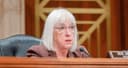 Eduardo A.E.: Seattle contractor married to U.S. citizen detained by ICE, flown to TexasEduardo Aguirre Esparza, a 53-year-old small business owner married to a U.S. citizen after 20 years here, was detained by about 20 agents while remodeling a home and flown to Texas without seeing a judge.Seattle, WA · Aug 6, 2026 · KVI, Common Dreams, Ghost Archive +8
- Jose Enrique O.D.: Father with pending asylum case wrongly deported by ICE, returned to ChicagoJose Enrique Ojeda Duarte, a Venezuelan father of two, was wrongly deported after seven months in detention due to a government data error. He has reunited with his family in Chicago but struggles with anxiety and fear.“They treated us like dogs. Everything was bad, even the water. They were killing us little by little.” — Jose Enrique Ojeda DuarteChicago, IL · Jul 7, 2026 · WBEZ, Latin Times, Entorno Inteligente +4
 Jesus R.H.: Venezuelan father and 11-year-old son detained by ICE outside El Paso homeJesus Eduardo Reyes Hermes, in El Paso nearly four years, was arrested with his 11-year-old son on April 28. He was later freed on bond; his son has asked to be deported to reunite with his mother in Venezuela.El Paso, TX · Jul 1, 2026 · CourtListener, El Paso Matters
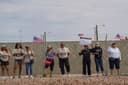 Seriously ill detainees not given medicine at Texas ICE detention centerA Texas ICE detention center built under the Trump administration failed to file use-of-force reports or provide medicine to seriously ill detainees, wasting tens of millions in funds.El Paso, TX · Jun 10, 2026 · Reuters, The Star, AOL +1
Victor Manuel D.: Father dies by suicide, left unattended in ICE detentionVictor Manuel Diaz, 36, a Nicaraguan father of two working at a Twin Cities restaurant, died by suicide at Camp East Montana after reporting harassment and being left unmonitored.El Paso, TX · Jun 9, 2026 · Associated Press, The Independent, Bastille Post +8
 Andrea P.F.: Asylum seeker denied ovarian cyst surgery by ICE, held nearly four monthsAndrea Pedro-Francisco, 23, a Guatemalan asylum seeker, was held nearly four months at a Texas tent facility while ICE denied surgery for an ovarian cyst doctors called medically necessary, before her June release.Texas · Jun 5, 2026 · MPR News, U.S. House of Representatives - Office of Craig, El Paso Matters +8
- Four detainees at Fort Bliss ICE tent camp allege medical neglect, violenceFour people held at a Fort Bliss tent camp are suing over medical neglect, violent force, excessive solitary confinement and poor food and living conditions, seeking to represent all detainees there.El Paso, TX · Jun 1, 2026 · ACLU, ABC News, Good Morning America +1
- Detainees face abuse, disease and deaths at Fort Bliss ICE tent campDetainees including a former mail handler and a father held over eight months are suing over conditions at Fort Bliss's Camp East Montana, citing abuse, disease and at least three deaths.El Paso, TX · May 31, 2026 · NPR, ABC Australia, Texas Tribune +1
 ZOR: Father separated from young children held over 8 months at Fort BlissA father known as ZOR (a pseudonym) has been held over eight months at Fort Bliss's Camp East Montana, separated from his young children, and is a named plaintiff suing over detention conditions he calls lawless.El Paso, TX · May 31, 2026 · Reuters, ACLU, Star Advertiser +2
- Navdeep: Injured detainee unable to obey guard orders locked in ICE solitaryNavdeep, a detainee with a preexisting injury preventing him from placing his hands behind his back, was put in solitary for appearing to defy guards, and says he was torn from his job and family.El Paso, TX · May 30, 2026 · El Paso Matters, ACLU of Texas, ACLU
- Navdeep: Worker taken from his job and held at Fort Bliss tent campNavdeep was taken from his job and held at the Fort Bliss tent camp, where he is a plaintiff in a lawsuit over medical neglect, disease, violence and poor food. He fears deaths and abuses are being covered up.El Paso, TX · May 30, 2026 · ACLU
- Gerald A.: Cameroonian teacher beaten in ICE detention at Fort Bliss after requesting lawyerGerald Akari Angye, 35, a former Cameroon teacher who fled torture, was beaten by guards at Fort Bliss's Camp East Montana after asking for a lawyer, then held in solitary 15 days. He joined an ACLU lawsuit over conditions there.El Paso, TX · May 30, 2026 · NPR, ACLU, ACLU of Texas +2
- Erik R.: Man beaten and coerced to sign deportation papers at Fort Bliss campErik Ivan Rodriguez says officers beat him at the Fort Bliss tent camp while trying to force him to sign deportation papers. He and three others are suing over medical neglect, disease and violent treatment at the facility.El Paso, TX · May 30, 2026 · ACLU, ACLU of Texas, CourtListener +1
- ZOR: Beaten detainee faces repeated ICE deportation attempts despite court orderA detainee called ZOR (a pseudonym) had three teeth broken in a beating guards watched, was falsely told he'd won asylum, and has faced about six deportation attempts despite a court order blocking his removal.El Paso, TX · May 30, 2026 · El Paso Matters, ACLU of Texas, World Press A
 Everlee W.: Green card holder detained by CBP at LAX, shackled and denied foodEverlee Amelia Wihongi, a 37-year-old lawful permanent resident who has lived in the U.S. since age six, was detained at LAX returning from a family trip and shackled on a floor for 14 hours during transfers across four states.“This place no longer feels like home to us, especially after seeing how my daughter’s been treated,” — Betty Wihongi, her motherLos Angeles, CA · May 21, 2026 · KSL, The Guardian, New Zealand Herald +12
- Tuberculosis outbreak at nation's largest immigration detention center in El Paso, TexasNearly 3,000 people a day have been held at Camp East Montana in El Paso, where a rushed opening led to $11.5 million wasted on meals, 49 safety deficiencies, a tuberculosis outbreak, and at least three deaths.El Paso, TX · Apr 2, 2026 · Associated Press, KTSM, Houston Chronicle +2
 Seamus C.: Husband of U.S. citizen held by ICE six months despite bond approvalSeamus Culleton, an Irish national married to a U.S. citizen and living in the U.S. nearly 20 years, was held six months and lost weight amid reported overcrowding. An appeals judge paused his deportation.El Paso, TX · Mar 1, 2026 · CBS News, Irish Times, Pekin Times +17
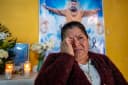 Lucía P.J. and Francisco G.A.: Father dies in ICE custody, wife deportedFrancisco Gaspar Andrés, 48, married 25 years with five children, died after 93 days in ICE custody following untreated liver and kidney failure, while his wife was deported before learning he had died.El Paso, TX · Jan 22, 2026 · MSN, The Guardian, Yahoo News +22
 Jelili Q.: Nigerian imam with 17 years of check-ins detained by ICE in ChicagoJelili Qudus, a Nigerian imam who leads weekly prayers and feeds people in need, was re-detained after 17 years of check-ins, then freed by a judge who found his rights violated.Chicago, IL · Jan 20, 2026 · Newsweek, CourtListener, Habeas Dockets
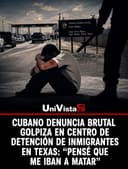 Ricardo H.: Cuban man beaten by Fort Bliss guards after 20 hours without foodA 31-year-old Cuban man held at Fort Bliss said about 15 guards beat him after he banged on a door asking for food following more than 20 hours without meals, causing ear and collarbone injuries.El Paso, TX · Jan 3, 2026 · CiberCuba, Cuba Headlines
 Minnesota detainees in El Paso, Texas report medical neglect, overcrowdingMinnesota detainees sent to a Texas facility reported medical neglect, including an 18-year-old denied medication and a man who waited five days for care before testing positive for COVID.El Paso, TX · Jan 2026 · Star Tribune, U.S. Representative Veronica Escobar, MPR News
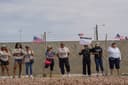 Cuban detainees say they were beaten for refusing deportation to MexicoFour Cuban men held at Fort Bliss say they were driven to the border and pressured to cross into Mexico, with two reporting beatings after refusing; the facility faces wider complaints of poor food and care.Fort Bliss, TX · Dec 8, 2025 · Washington Post, Latin Times, ACLU
 Victor P.P.: Venezuelan asylum seeker, father of U.S.-citizen twins, self-deported after months in detentionVictor Peralta Perez, a Venezuelan electrician and father of U.S.-citizen twin infants, was held over 100 days across facilities with reported mold and poor care before leaving the country in late February.El Paso, TX · Dec 4, 2025 · Newsweek, The Ravenna Report
 Germán L.: 32-year-old Colombian beaten, given 30 days in solitary for standing upGermán L., 32, was beaten by guards at Camp East Montana for standing up during an argument, then held in solitary confinement for at least 17 days of a 30-day punishment.El Paso, TX · December 2025 · Human Rights Watch
 Orlando L.: 40-year-old Honduran man with high blood pressure denied care eight straight daysOrlando L., 40, with high blood pressure, went without his medication for weeks at Camp East Montana and was told staff would just keep him stable until deportation.“What good does it do to imagine a ‘happy place’? How absurd for a supposed medical professional to suggest that I could close my eyes, take deep breaths, and escape my reality when I am forced to survive here. When my reality is probably going end with my death in my home country. Sleeping pills won’t fix that.” — Ismael M.El Paso, TX · December 2025 · Human Rights Watch
 Migrants at largest US detention camp face rotten food, inadequate healthcareDetainees at Camp East Montana, the largest U.S. migrant detention facility, face foul-tasting water, rotten food, and inadequate healthcare, a congresswoman reported, though DHS denies the claims.El Paso, Texas · Nov 12, 2025 · Reuters, New India Abroad, Reuters +2
- Eduardo: Cuban detainee alleges he was ordered to 'jump' into Mexico and beaten by guardsA Cuban detainee known as Eduardo said guards tried to force him across the border into Mexico and beat him, including one incident where he lost consciousness while handcuffed. His account is part of a legal filing against the facility.Fort Bliss, TX · Oct 23, 2025 · Newsweek, CourtListener
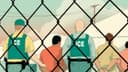 Rey: Cuban business owner married to U.S. citizen held at Camp East MontanaRey, a Cuban man in his mid-fifties who built a trucking and small-business life in El Paso and was a father figure to his wife's son, was arrested at a routine check-in and held six weeks at Camp East Montana.El Paso, TX · Oct 2025 · The New Yorker
Twice-separated father fed moldy food with worms in ICE detentionA Guatemalan father reunited with his children in Florida was separated again in October 2025 while doing landscaping work near Mar-a-Lago. He reported moldy food and mistreatment before his April 2026 release.West Palm Beach, FL · Oct 2025 · Associated Press, The Daily Beast
 Nicolas W.: Father of four with work permit arrested by ICE in BostonNicolas W., 43, a Guatemalan father of four who owned a tow truck company and held a valid work permit, was grabbed by a masked agent outside a Boston Home Depot and detained.Boston, MA · September 26, 2025 · Human Rights Watch
 Ramiro G.: Cuban man twice nearly forced across Mexico border from Camp East MontanaRamiro G., a 45-year-old Cuban man, says he was chained and bused to the border twice in attempts to force him into Mexico, a country he says he has no ties to.El Paso, TX · September 2025 · Human Rights Watch
 Sebastian R.: 26-year-old Mexican student chained hand and foot on ICE flightSebastian R., 26, who had lived and studied in New York for six years, says he was chained hand and foot on his first-ever flight and could not reach his brother for a week after arriving.“I sometimes look at my bed sheets, and I wonder if it would be easier to hang myself instead of trying to survive this torture. I don’t know how to describe what I’m feeling. I feel forgotten. People have died here and no one cares. I’ve gone a month without seeing the sun.... I am forced to live in filth.... I have been taken from my family, from my home, and I know that no matter how long they keep me here, they will end up deporting me. I'm so afraid I will get killed once I am sent back. That is why I left. I can’t sleep most nights, that’s when I have the hardest time.” — Ismael M., 28, from HondurasNew York, NY · September 2025 · Human Rights Watch
 Martin G.: 66-year-old cancer survivor with partial lung removal denied care for monthsMartin G., a 66-year-old Cuban cancer survivor with part of a lung removed, says he was denied medical care for months while detained, then put in solitary confinement after a hunger strike.El Paso, TX · September 2025 · Human Rights Watch
- At least three detainees died, measles spread at ICE's Camp East MontanaDetainees sued ICE over conditions at Camp East Montana, a Fort Bliss facility, citing at least three deaths, a monthlong measles outbreak, and claims of medical neglect and abuse.Fort Bliss, TX · Aug 2025 · The New Yorker, USA Today, Texas Tribune +2
 Ramiro G.: Ecuadorian man arrested by masked agents while walking to work in BuffaloRamiro G., 33, was arrested by masked agents while walking to work in Buffalo after texting his wife that ICE was following him, then held at Batavia before transfer to Camp East Montana.“I have never felt racism the way I have felt it inside this camp. When I first got here the guards told me, “When you get to El Paso, Texas, there’s no going back. You’re only getting out deported or dead.”” — Javier C.Buffalo, NY · 2025 · Human Rights Watch
 Alonso C.: 72-year-old Cuban man with work permit arrested while playing dominos in MiamiAlonso C., 72, a Cuban man in the U.S. for 46 years with a valid work permit, was arrested by masked agents while playing dominos in Miami and sent to Krome, then Camp East Montana.“I have never felt racism the way I have felt it inside this camp. When I first got here the guards told me, “When you get to El Paso, Texas, there’s no going back. You’re only getting out deported or dead.”” — Javier C.Miami, FL · 2025 · Human Rights Watch
 Jose Daniel S.: Construction worker held in isolation at Guantanamo before being deportedA 30-year-old Venezuelan construction worker was sent to Guantanamo Bay with his wife nearby, held 15 days in poor conditions, then deported to Honduras after nine months in custody.El Paso, TX · Feb 20, 2025 · ProPublica, BBC, La Nación +1
Where people stood at the latest report
Each square is one percent of these stories. Read it with care: people who are still detained or already deported have far less access to reporters and lawyers than people who were released, so this mix reflects who gets covered more than how cases end.
- Died 11%
- Deported 4%
- Self-deported 2%
- Still detained 52%
- Released 13%
- Unknown 17%